In computer security, a pwn exploit is a technique that takes advantage of bug/vulnerability in software with the goal of taking control of it. By taking controlm of a program you can find sensitive data and even control computers.
This example explains the overall idea of a buffer overflow exploit. This shows the common steps, commands, and code fragments that a hacker might use to execute this exploit.
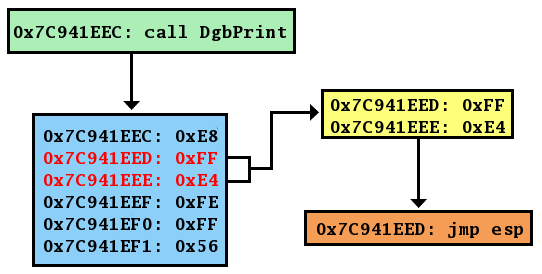
In a real situation, a hacker might test with a tiny program like this to understand how memory corruption works:
#include <stdio.h>
#include <string.h>

void vulnerable() {
    char buffer[16];
    printf("Enter some text: ");
    gets(buffer); // Dangerous: no bounds checking!
    printf("You entered: %s\n", buffer);
}

int main() {
    vulnerable();
    return 0;
}
Before you learn how to do a buffer overflow like exploit we have to setup our progrm we are going to use
Create The program
$ gcc -fno-stack-protector -z execstack vulntest.c -o vulntestHow to exploit
somebody might create a payload like this to exploit the program.
$ ./vulntest Enter some text: AAAAAAAAAAAAAAAAAAAAAAAAAAAAAAfter a crash, the next step is to adjust the input pattern, observe the memory layout with a debugger, and slowly turn the crash into controlled code execution. Every step should be done on systems that you own or have written permission to test.